
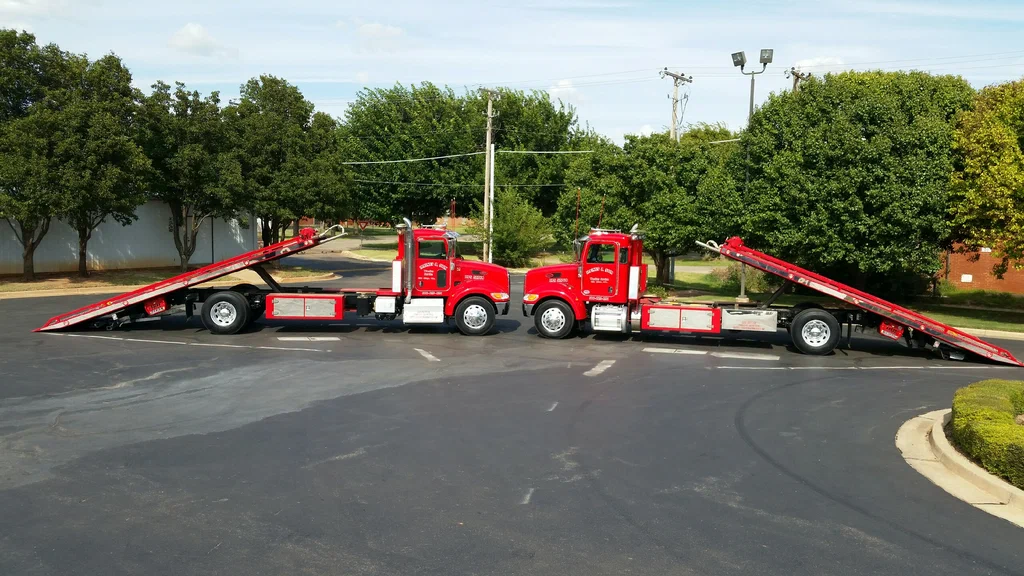
When a vehicle cannot safely continue driving, getting it off the road becomes a priority. A flat tire, mechanical failure, accident, dead battery, or other unexpected problem can leave a driver stranded in an inconvenient or unsafe location.
Wrecker services provide a way to move disabled, damaged, or otherwise immobile vehicles when driving them is not a practical option. Depending on the situation, a wrecker may tow the vehicle to a repair shop, another location, or a safe place for further assistance.
Understanding when to call a wrecker service can help drivers make safer decisions during roadside emergencies.
What Is a Wrecker Service?
A wrecker service uses specialized towing equipment to recover and transport vehicles that cannot safely be driven.
Wrecker trucks are designed to handle different recovery situations. Depending on the vehicle and circumstances, towing equipment may include wheel lifts, winches, flatbeds, or other recovery equipment.
The appropriate method depends on factors such as the vehicle’s condition, location, weight, drivetrain, and the type of damage involved.
When Is a Wrecker Service Needed?
A wrecker may be necessary whenever a vehicle cannot or should not be driven from its current location.
Common situations include:
- Serious mechanical breakdowns
- Vehicle accidents
- Disabled vehicles
- Flat tires that cannot be changed safely
- Dead batteries when jump-starting does not resolve the problem
- Vehicles stuck in difficult locations
- Overheated vehicles
- Transmission problems
- Vehicles that have been damaged and are unsafe to drive
If continuing to drive could cause additional damage or create a safety hazard, calling for professional towing or recovery is generally the safer option.
After a Vehicle Accident
A collision is one of the most common situations where a wrecker service may be required.
Even when a vehicle appears to be drivable, hidden damage can affect steering, suspension, brakes, wheels, or other safety-critical components.
If the vehicle has significant visible damage, fluid leaks, deployed airbags, damaged wheels, or difficulty steering, it should generally not be driven.
A wrecker can help move the vehicle from the accident location while reducing the risk of additional damage or another incident.
When Your Vehicle Has a Major Mechanical Failure
Some mechanical problems make continued driving unsafe or impossible.
A vehicle may suddenly lose power, develop serious transmission problems, overheat, or experience another major mechanical failure. Attempting to drive through these issues can potentially make the damage worse.
A wrecker can transport the vehicle to a qualified repair facility where the problem can be properly diagnosed.
When Your Vehicle Is Stuck
Vehicles can become stuck in mud, soft ground, snow, gravel, ditches, or other difficult terrain.
Trying to free a stuck vehicle by repeatedly accelerating can cause the tires to spin and may increase the risk of drivetrain or tire damage.
Professional recovery equipment can provide controlled pulling force to help remove the vehicle when ordinary driving is not possible.
When a Flat Tire Cannot Be Safely Changed
A flat tire does not always require a wrecker. If the vehicle has a usable spare tire and the location is safe, the tire may be changed at the roadside.
However, there are situations where driving or performing a tire change is not practical.
For example, the vehicle may have multiple damaged tires, no usable spare, damaged wheels, or be positioned in an unsafe location. In these situations, towing may be the appropriate option.
When an Overheated Vehicle Stops Running
Engine overheating can become a serious problem if the vehicle continues operating.
If the temperature warning appears, steam is coming from under the hood, or the engine is showing signs of severe overheating, continuing to drive can cause additional engine damage.
Allowing the vehicle to cool down does not necessarily resolve the underlying issue. If the vehicle cannot safely be driven, a wrecker can transport it to a repair facility for inspection.
When a Vehicle Will Not Start
A vehicle that will not start may have a simple issue such as a weak battery. In some cases, roadside assistance may resolve the problem with a jump-start.
However, if the vehicle still will not start after basic assistance, towing may be necessary.
Possible causes include starter problems, alternator failure, fuel-system issues, electrical faults, or other mechanical problems that require professional diagnosis.
Wrecker Services Can Help Protect a Damaged Vehicle
Moving a damaged vehicle without appropriate equipment can potentially cause additional damage.
Professional towing equipment is designed to secure and transport vehicles appropriately based on their condition and configuration.
This is particularly important after collisions, when wheels, suspension components, bumpers, or other parts may already be compromised.
Choosing the Right Towing Method
Not every vehicle should be transported in exactly the same way.
The towing method may depend on:
- Vehicle size and weight
- Front-wheel, rear-wheel, or all-wheel drive
- Vehicle condition
- Wheel or suspension damage
- Road conditions
- Distance to the destination
- Location of the disabled vehicle
A professional towing provider can assess the situation and select equipment appropriate for the vehicle.
What Should You Do Before the Wrecker Arrives?
If your vehicle becomes disabled, safety should come first.
If possible, move the vehicle to a safe location away from moving traffic. Turn on your hazard lights and remain aware of surrounding vehicles.
Avoid standing directly in traffic lanes or attempting repairs in an unsafe location. If you are on a highway or another high-speed roadway, remain in a secure location whenever possible while waiting for assistance.
When contacting a towing provider, provide accurate information about your location, vehicle type, condition, and the problem you are experiencing. This can help the provider send appropriate equipment.
Why Professional Wrecker Services Matter
A disabled vehicle can create more than an inconvenience. It can become a safety concern for the driver, passengers, and other road users.
Professional wrecker services provide the equipment and experience needed to move vehicles that cannot safely continue on their own.
Using the right equipment can also help reduce the risk of additional vehicle damage during recovery and transportation.
When Should You Call Fast Guys Towing Roadside?
If your vehicle has been involved in an accident, experienced a major breakdown, become stuck, or cannot safely be driven, Fast Guys Towing Roadside can help with towing and vehicle recovery needs.
Providing clear information about the vehicle and its condition can help the towing team determine the appropriate equipment for the situation.
Whether the vehicle needs to be moved after an accident or transported because of a mechanical problem, professional towing can provide a practical way to get the vehicle to a safer location or repair facility.
Conclusion
Wrecker services are useful when a vehicle cannot safely or reliably be driven. Accidents, major mechanical failures, overheating, stuck vehicles, severe tire problems, and no-start conditions are all situations where professional vehicle recovery may be necessary.
Rather than attempting to drive a damaged or disabled vehicle, assess the situation carefully and prioritize safety. If the vehicle cannot be moved safely under its own power, a professional wrecker service can provide the equipment and assistance needed to transport it.